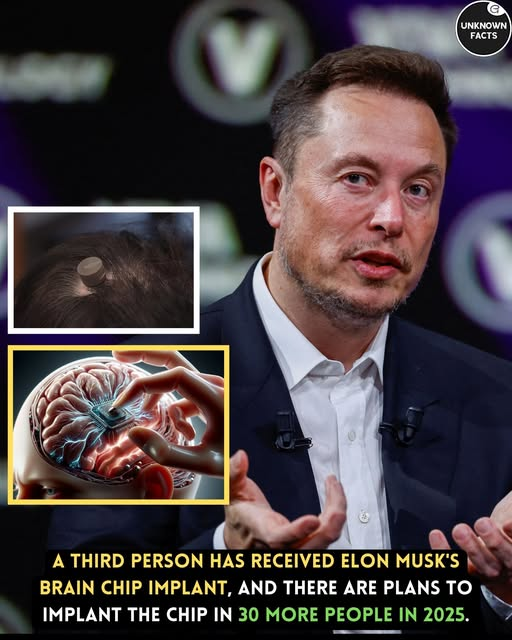
Elon Musk’s groundbreaking company, Neuralink, has achieved a significant milestone with the successful implantation of its third brain chip in a human patient. This chip, a part of Neuralink’s cutting-edge brain-computer interface (BCI) technology, represents a major advancement in both neuroscience and technology. Its purpose is to bridge the gap between the human brain and computers, offering new solutions for enhancing brain function and treating neurological disorders.
The latest implant is part of an ongoing clinical trial that focuses on patients with spinal cord injuries, a demographic that stands to benefit greatly from this technology. The trial aims to explore how the chip could potentially restore lost motor functions and improve quality of life for those suffering from paralysis. In 2025, Neuralink plans to expand its clinical trials, aiming to implant the device in an additional 20-30 individuals. The goal is to address a variety of conditions, including paralysis, memory loss, and other neurological disorders.
The brain chip works by enabling direct communication between the brain and external devices, allowing individuals to control them with their thoughts. For example, the first patient to undergo the implant has already demonstrated the ability to play video games and browse the internet simply by thinking—showcasing the immense potential of this technology. Neuralink’s ambition is to take these abilities even further, enabling users to repair damaged neural pathways, offering hope for a wide range of treatments, from restoring mobility to enhancing cognitive function.
By 2025, Neuralink hopes to implant its technology in 30 more individuals, continuing to push the boundaries of what’s possible with brain-machine communication. The company’s long-term vision is to revolutionize the treatment of brain injuries and diseases, while also enhancing human cognitive abilities in ways previously imagined only in science fiction.
However, the rapid progress of this technology has sparked debates over privacy, security, and ethical concerns related to human enhancement. As the line between human and machine continues to blur, questions about the consequences of such advancements are becoming more urgent. While the potential benefits are immense, the ethical implications of augmenting the human brain remain an area of intense discussion.
Despite these concerns, Neuralink’s innovations have the potential to drastically change the future of healthcare, offering life-changing treatments for neurological disorders and providing new opportunities for brain enhancement. As the company continues its trials and research, the world eagerly awaits the next steps in this exciting and groundbreaking field.
#ElonMusk #Neuralink #Neuroscience #Technology #BrainImplant #MedicalInnovation #Treatment