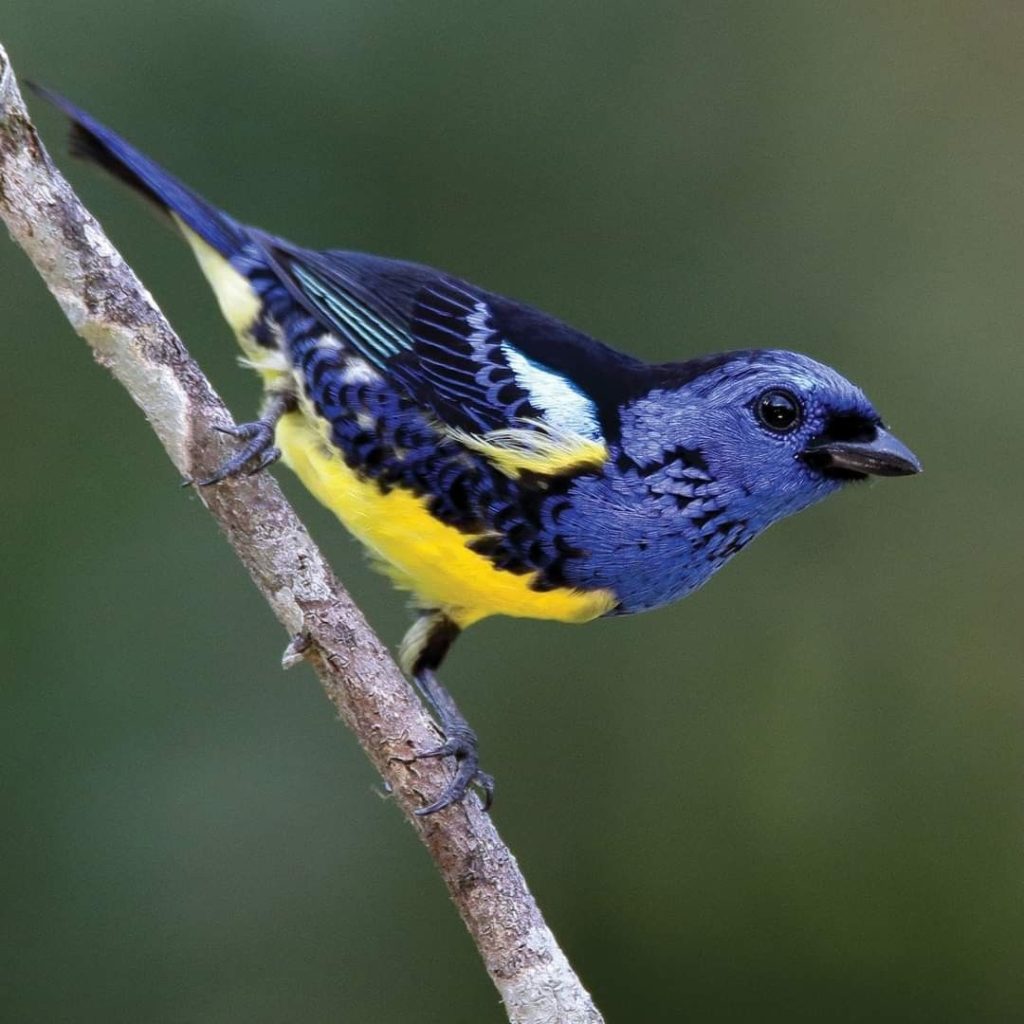
In the vibrant world of avian species, the Turquoise Tanager stands out with its striking beauty and unique biological traits. This small yet remarkable bird holds significance not only for its aesthetics but also for its ecological importance.
General Description
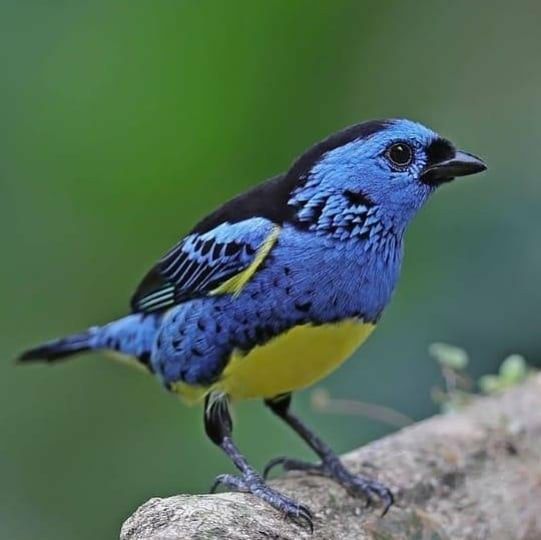
The Turquoise Tanager, scientifically known as Tangara mexicana, belongs to the Thraupidae family. Despite its scientific name, this species is not endemic to Mexico. Instead, it is primarily found in South America, including countries like Brazil, Venezuela, Colombia, and Trinidad.
Morphological Features
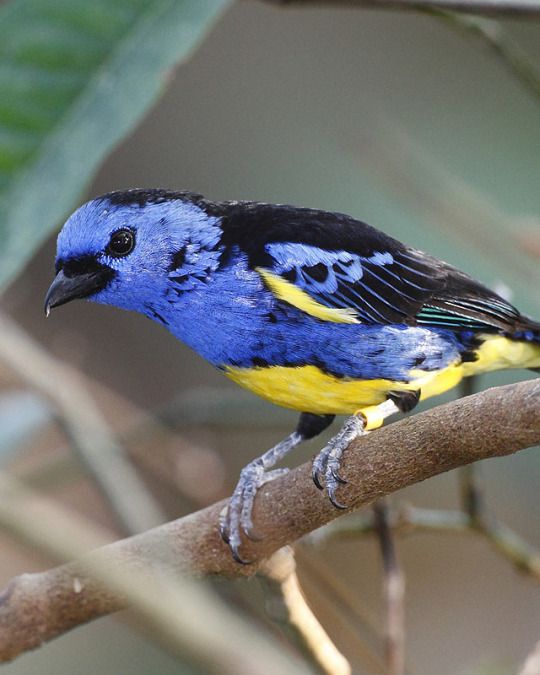
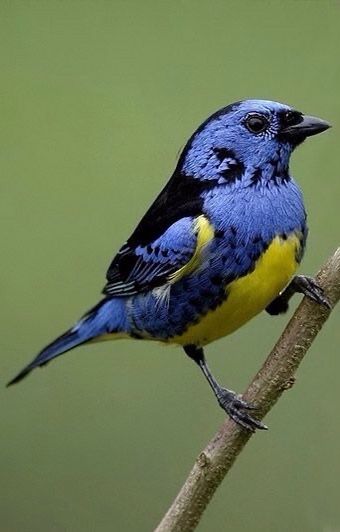
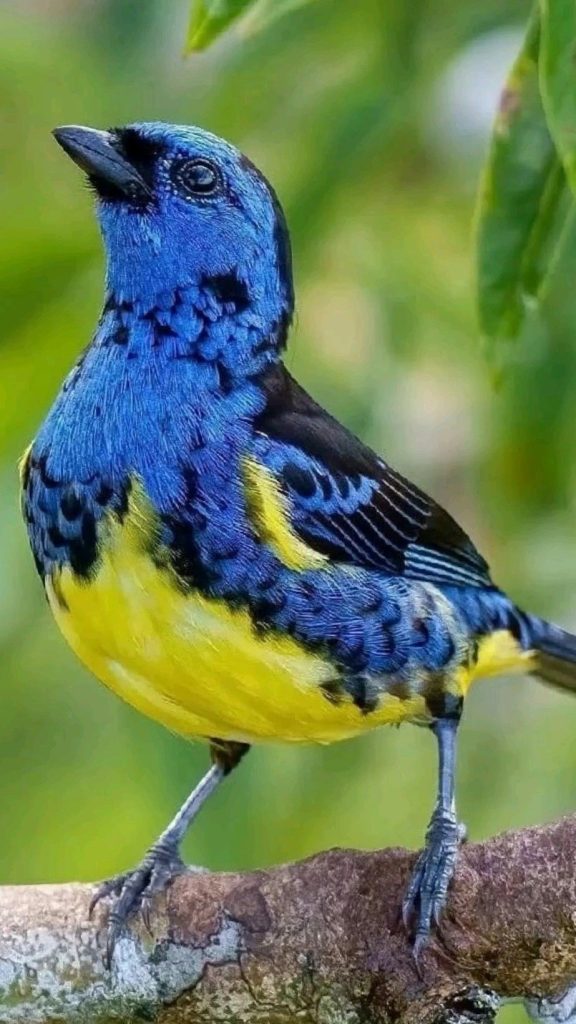
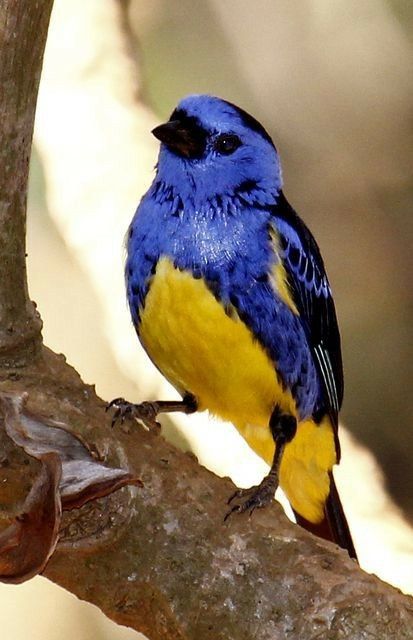
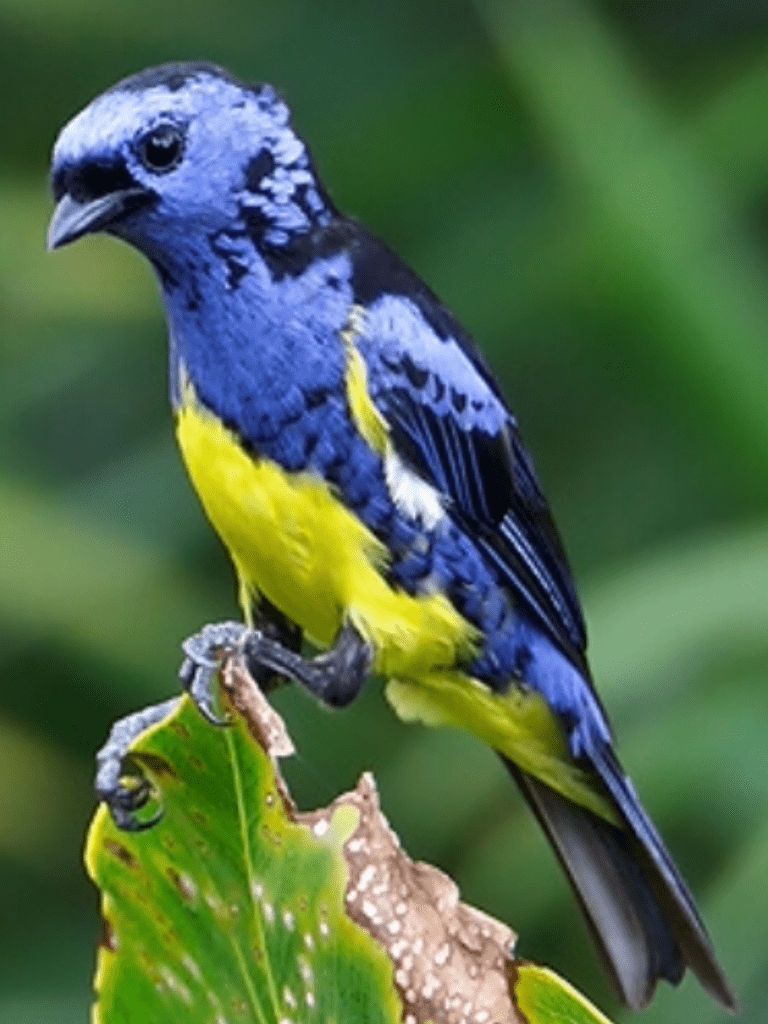
With its distinctive turquoise plumage, the Turquoise Tanager attracts the attention of researchers and bird enthusiasts worldwide. Its feathers showcase a brilliant blue mixed with hints of yellow and black, creating a stunning natural palette. These birds are relatively small, averaging 13 to 14 cm in length and weighing around 20 grams.
Habitat and Behavior
The Turquoise Tanager typically inhabits tropical rainforests, secondary forests, and areas near rivers. They prefer living in the canopy, where the foliage is dense. These birds often move in small flocks and have a diet consisting of fruits, insects, and occasionally nectar.
One notable aspect of this species is its adaptability to changing environments. They can thrive in disturbed or regenerating forests, which allows them to survive in more challenging conditions compared to some other bird species.
Reproduction and Development
Turquoise Tanagers usually build their nests on high tree branches, using leaves and small twigs. Their breeding season lasts from March to July. A clutch typically contains 2 to 3 eggs, with the female incubating them for about 13 to 14 days. Once hatched, both parents care for the chicks until they can fend for themselves.
Conservation Status
According to the International Union for Conservation of Nature (IUCN), the Turquoise Tanager is currently listed as a species of Least Concern. However, their habitat is under threat from deforestation and agricultural expansion. Protecting and restoring tropical rainforests is crucial for the long-term survival of this species.
Conclusion
The Turquoise Tanager is not only a symbol of natural beauty but also an integral part of the tropical rainforest ecosystem. Studying and protecting this bird species helps preserve biodiversity and maintain ecological balance in these forests. Let us work together to protect their habitats so future generations can continue to admire the magnificent Turquoise Tanager.
Video: