
In the remote and rugged terrain of the Himalayas resides a bird of unparalleled beauty and mystique: the Lophophorus impejanus, commonly known as the Himalayan Monal. Revered for its resplendent plumage and elusive nature, this avian gem captivates the hearts and minds of all who encounter it.

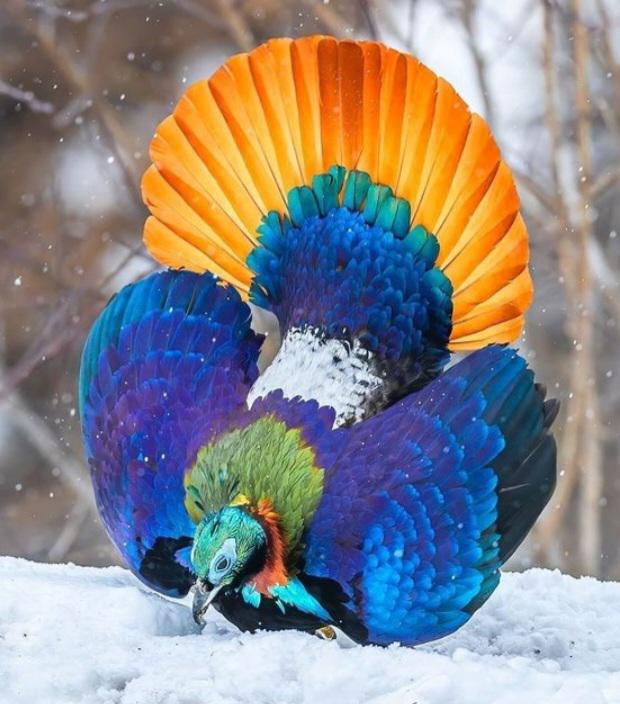
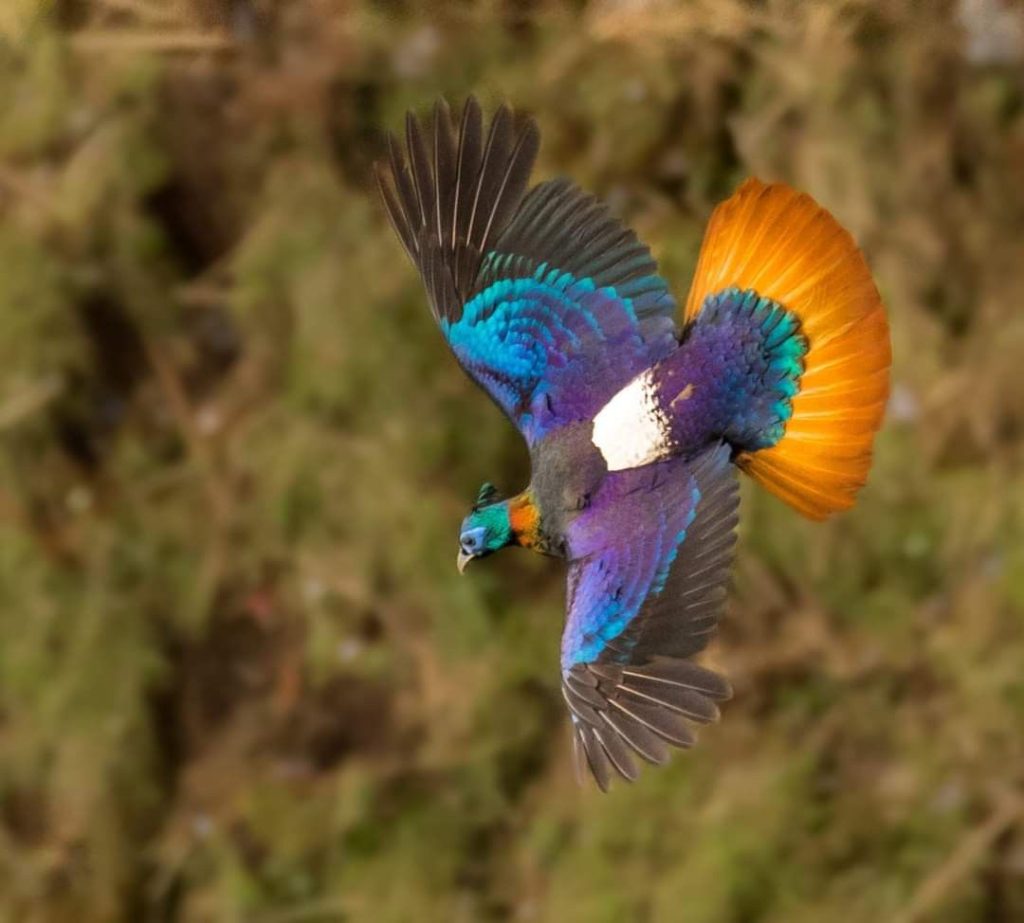
Appearance: The Himalayan Monal is a strikingly colorful bird, adorned with iridescent hues that rival the most vibrant jewels. Its plumage exhibits a mesmerizing array of colors, ranging from shimmering blues, greens, and purples to fiery reds, oranges, and yellows. The male, with its resplendent crest and metallic sheen, is particularly breathtaking, while the female boasts a more subtle yet elegant appearance.

Habitat: This magnificent bird is endemic to the Himalayan region, found at elevations ranging from 2,000 to 4,500 meters (6,500 to 14,800 feet). It inhabits dense forests, alpine meadows, and scrublands, preferring areas with ample vegetation for foraging and nesting. The Himalayan Monal’s habitat encompasses parts of India, Nepal, Bhutan, Tibet, and Pakistan, where it roams the steep slopes and valleys with grace and agility.

Behavior: Despite its vibrant plumage, the Himalayan Monal is a master of camouflage, blending seamlessly into its mountainous surroundings. Its elusive nature and cryptic behavior make spotting this elusive bird a thrilling challenge for birdwatchers and nature enthusiasts. The Monal is primarily diurnal, foraging during the day for a varied diet consisting of seeds, insects, berries, and plant matter.
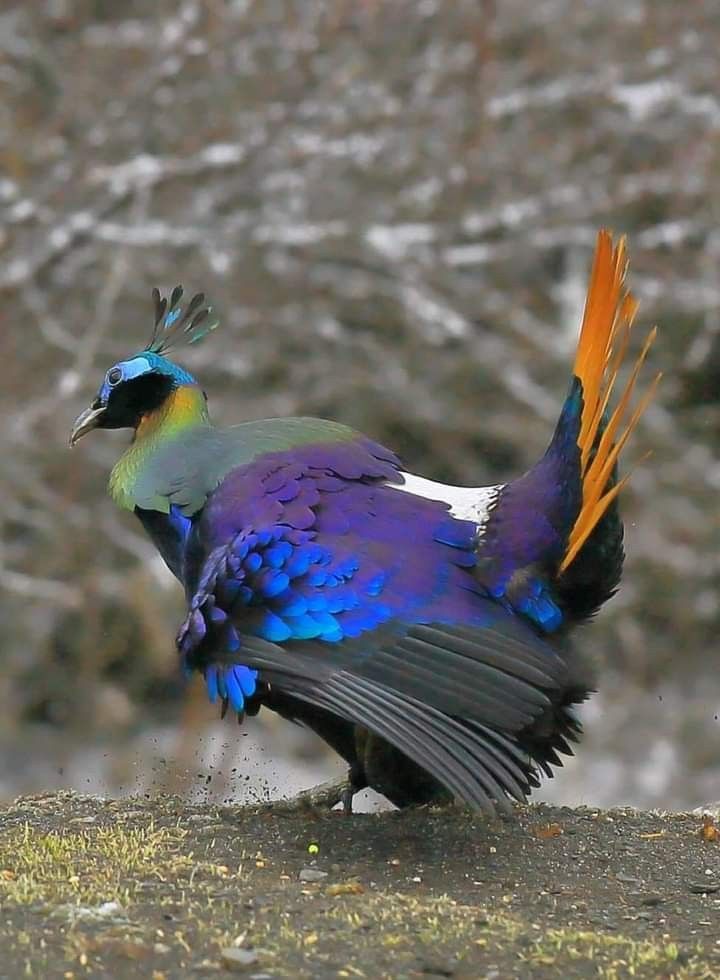
During the breeding season, which typically occurs from April to June, the male Monal performs an elaborate courtship display to attract a mate. This display involves fluffing up its crest, spreading its iridescent wings, and strutting around in a captivating dance, accompanied by melodious calls. Once paired, the female constructs a nest in a concealed location on the ground, where she lays a clutch of eggs and diligently incubates them.

Conservation Status: Despite its cultural significance and aesthetic appeal, the Himalayan Monal faces various threats to its survival. Habitat loss due to deforestation, human encroachment, and infrastructure development poses a significant risk to its population. Additionally, hunting and illegal poaching for its feathers and meat further exacerbate the Monal’s vulnerability.
Efforts to conserve this iconic species include habitat preservation, community-based conservation initiatives, and stricter enforcement of wildlife protection laws. Conservation organizations collaborate with local communities to raise awareness about the importance of preserving the Monal’s habitat and implementing sustainable practices.

Cultural Significance: In addition to its ecological importance, the Himalayan Monal holds cultural significance in the regions where it resides. Revered as a symbol of beauty, resilience, and wilderness, the Monal features prominently in folklore, art, and traditional ceremonies. Its majestic presence inspires awe and admiration, serving as a poignant reminder of the awe-inspiring biodiversity of the Himalayas.
In conclusion, the Himalayan Monal, with its resplendent plumage and enigmatic demeanor, embodies the untamed spirit of the Himalayas. As stewards of our natural heritage, it is our collective responsibility to safeguard this magnificent bird and ensure that future generations can continue to marvel at its beauty amidst the majestic peaks of the world’s highest mountains.
Video: