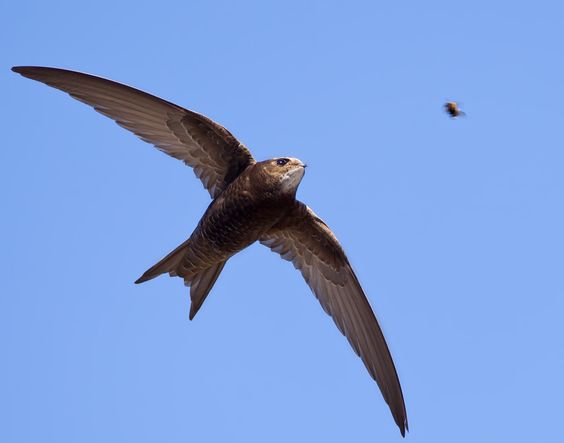
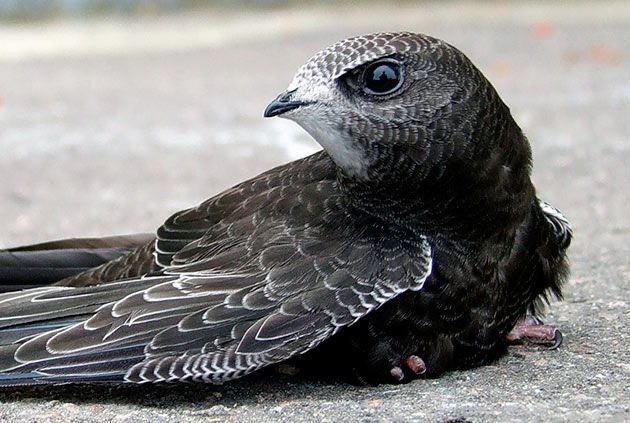
The Common Swift, scientifically known as Apus apus, is a marvel of the avian world, renowned for its exceptional flying abilities and nomadic lifestyle. Found across Europe and Africa, this small swift species embodies the spirit of freedom and adventure as it traverses vast distances in search of food and nesting sites.
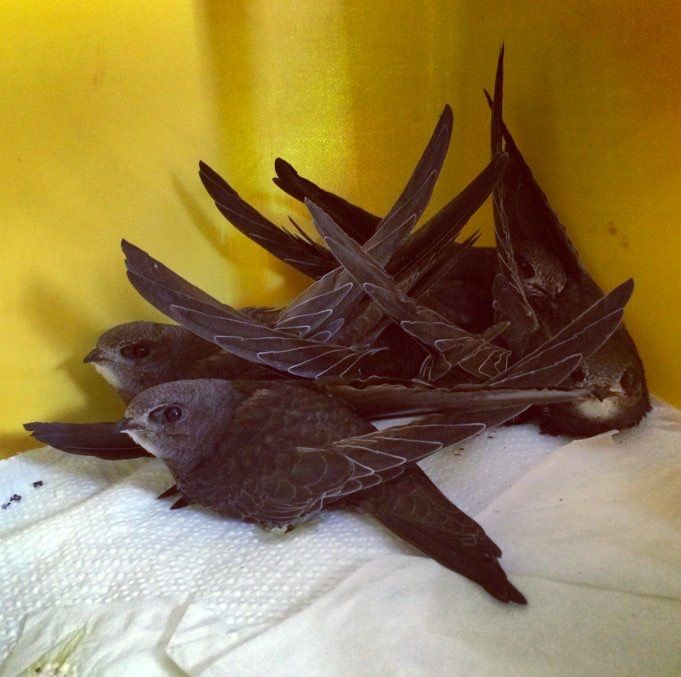
With its slender body, swept-back wings, and distinctive forked tail, the Common Swift is perfectly adapted for life on the wing. Capable of sustained flight for months at a time, it spends the majority of its life airborne, swooping and soaring through the skies with effortless grace and agility.
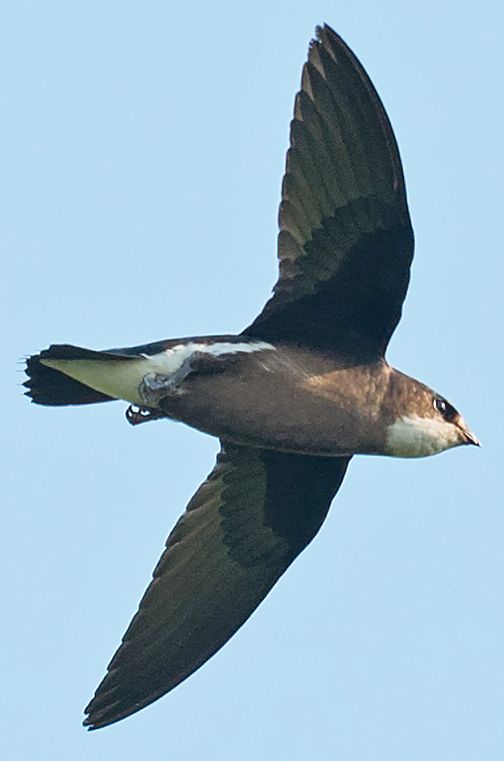
Unlike many other bird species, the Common Swift is entirely dependent on flight for survival, relying on its aerial prowess to capture insects on the wing and to evade predators. With its keen eyesight and lightning-fast reflexes, it navigates through complex aerial mazes with ease, executing intricate maneuvers with precision and skill.
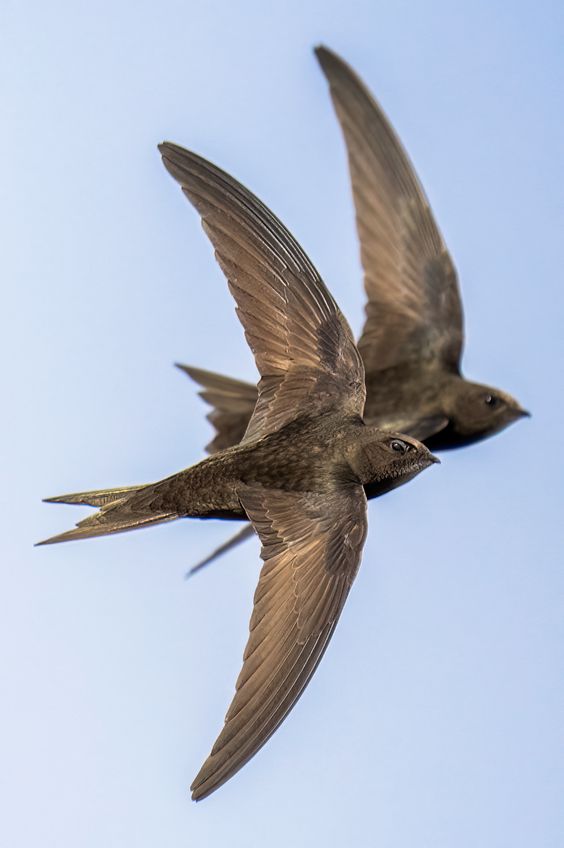
During the breeding season, Common Swifts congregate in large colonies in urban areas, where they nest in crevices and eaves of buildings. Here, they engage in elaborate courtship displays and vocalizations, forming strong social bonds that endure throughout the breeding season and beyond.
Despite their remarkable flying abilities, Common Swifts face numerous threats in the modern world, including habitat loss, pollution, and climate change. As urbanization continues to encroach on their nesting sites, these remarkable birds are forced to adapt to new challenges in order to survive.

In the hearts and minds of bird enthusiasts and nature lovers alike, the Common Swift remains a beloved symbol of freedom and endurance, inspiring awe and admiration with its extraordinary flying abilities and indomitable spirit. As stewards of the natural world, it is our responsibility to protect and preserve the habitats that support these remarkable birds, ensuring that future generations will continue to be enchanted by the sight of Common Swifts soaring high above the rooftops of Europe and Africa.

Video: