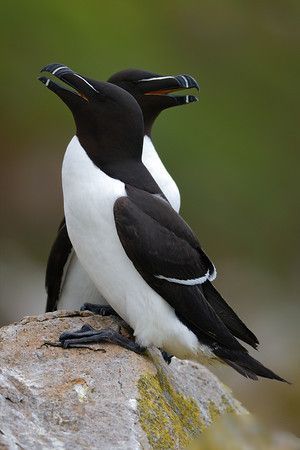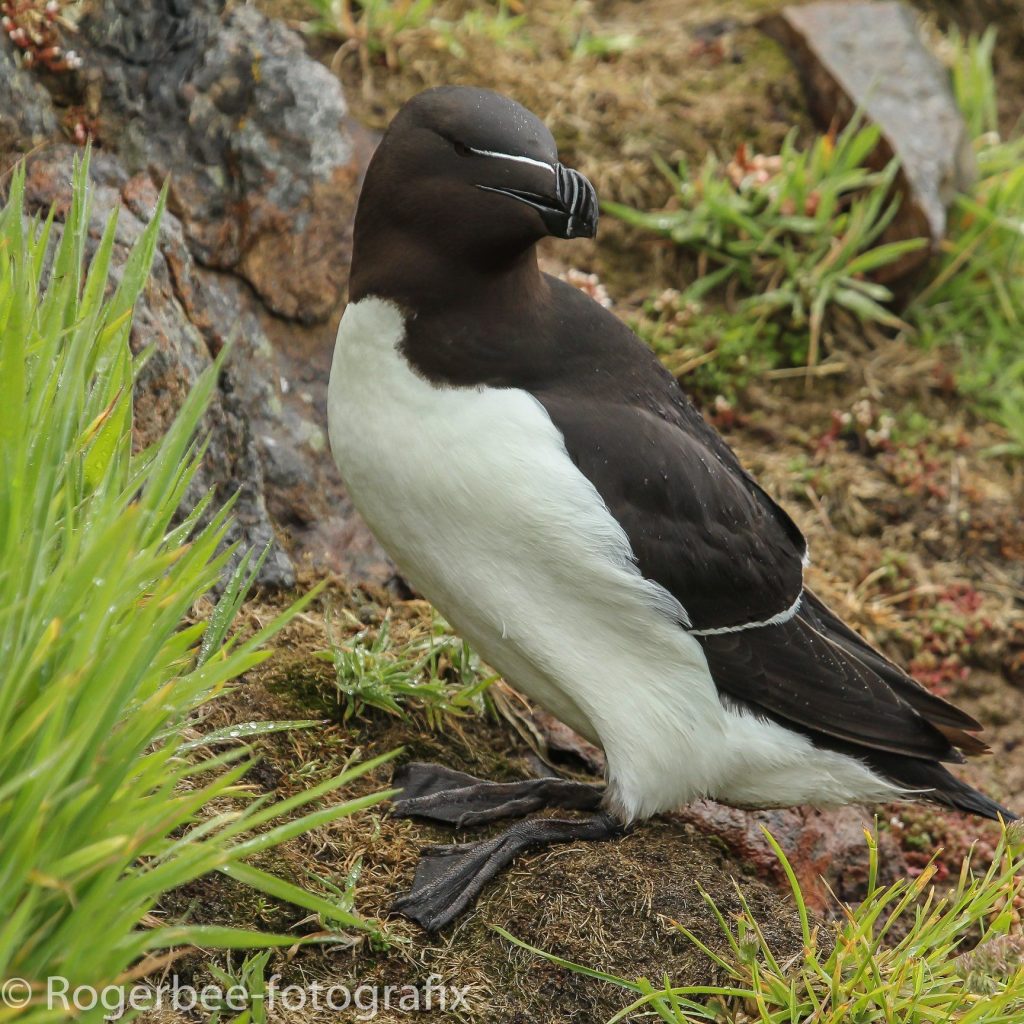
The Great Auk, scientifically known as Pinguinus impennis, stands as a poignant symbol of both the majesty and fragility of the natural world. Once abundant along the rocky shores of the North Atlantic, this remarkable penguin species has tragically vanished from the earth, leaving behind only memories and echoes of its former existence.
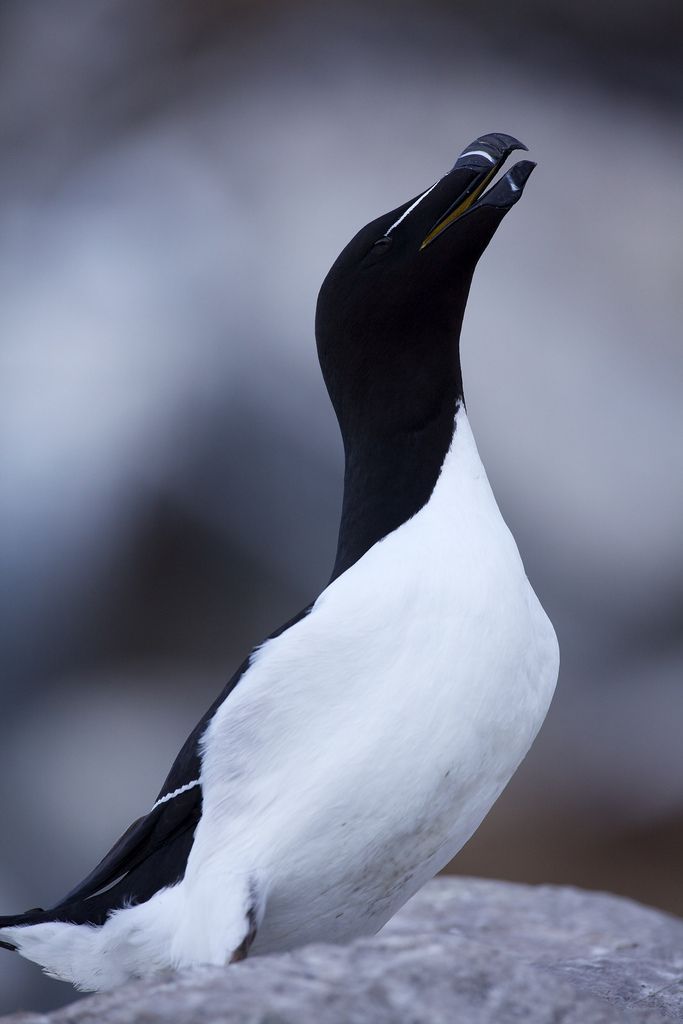
With its striking black and white plumage, sleek body, and distinctive waddle, the Great Auk cut a distinctive figure against the rugged coastline of its native habitat. For centuries, these majestic birds thrived in the frigid waters of the North Atlantic, where they formed large colonies on remote islands and rocky outcrops, nesting and raising their young amidst the crashing waves and swirling mists.
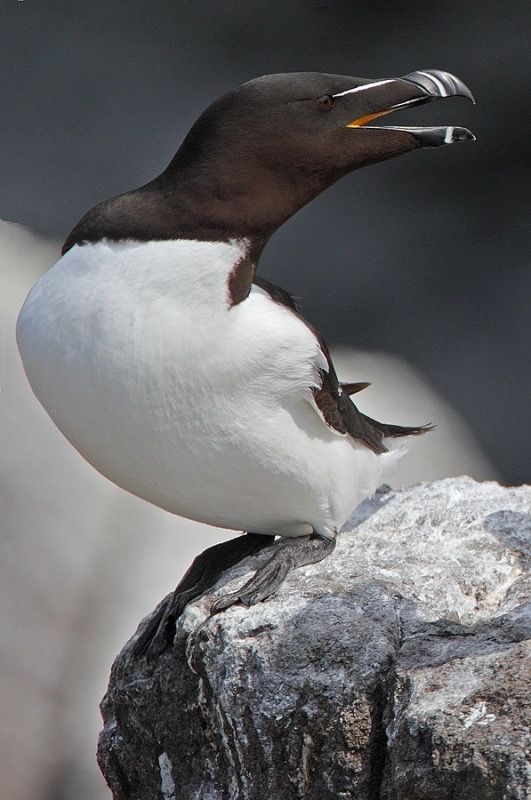
However, the arrival of humans spelled doom for the Great Auk, as they were relentlessly hunted for their meat, eggs, and feathers. In addition to direct exploitation, habitat destruction and competition with introduced species further contributed to their decline, pushing this once-thriving species to the brink of extinction.
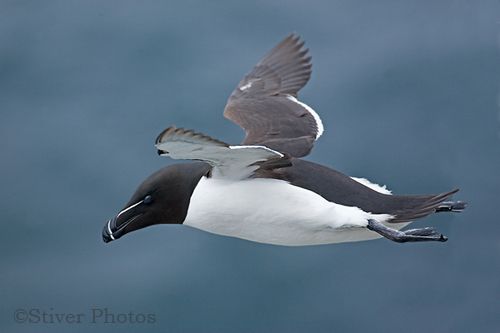
The last known colony of Great Auks, located on the remote island of Eldey off the coast of Iceland, was systematically eradicated by collectors in the 19th century, culminating in the tragic extinction of this iconic bird species. Today, the Great Auk exists only in the annals of history, its memory preserved in museums, scientific journals, and the hearts of those who mourn its passing.
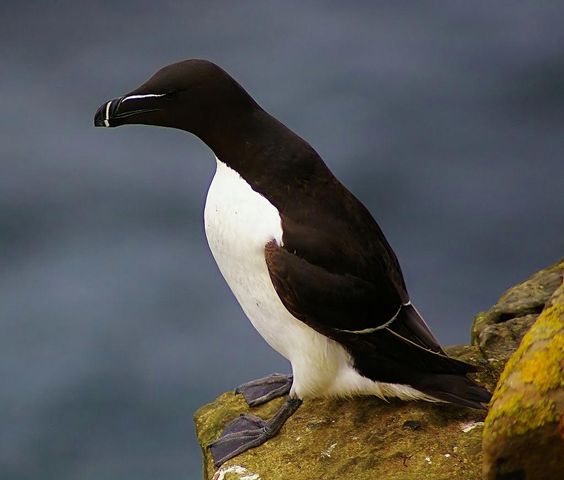
The loss of the Great Auk serves as a sobering reminder of the profound impact that human activities can have on the natural world. As we reflect on the tragic fate of this magnificent bird, we are compelled to reexamine our relationship with the earth and redouble our efforts to protect and preserve the precious biodiversity that remains. In doing so, we honor the memory of the Great Auk and ensure that its legacy lives on in the conservation of our planet’s most vulnerable species.